Glossary
Explanations of neurodivergent terminology in an affirming context

Physical and social discrimination against disabled bodies based on the belief that typical abilities are superior, and that disabled people require “fixing.”
The practice of understanding, valuing, & accommodating differences in brain function as a natural aspect of human variation, rather than as a defect; this involves focusing on supporting neurodivergent people in their self-stated goals rather than in seeking to “fix” them.
Ensuring disability needs are accounted for so that all people can attend and fully participate in a given setting.
Fundamentally, accommodation is about changing the environment around a person, not the person themselves.
This is a right guaranteed in law to disabled people to receive modifications or adjustments in a learning or work environment that will remove disadvantages and/or enable participation and the opportunity for success, as well as to ensure their rights and privileges are equal to those without disabilities; this right is limited to accommodations that don’t create a disproportionate financial burden to the institution.
When a child/young person requires, for any reason, additional or different support in order to benefit from and engage with learning.
Natural neurodevelopmental variation characterised by an abundance of attention dictated by internal drivers, neural hyperconnectivity, high sensitivity to sensory input, monotropism, an interest-driven dopamine system that needs novelty and variety, and varying processing styles; ADHD distress traits include inattention, impulsivity, hyperactivity (physically and/or mentally), and mood instability.
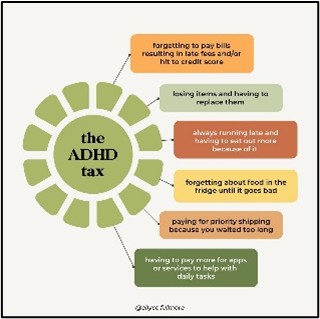
This is the financial, emotional, mental, and physical toll of living with an ADHD brain in a neurotypical world. It involves the cumulative impact of perceived daily “failures” in all areas of life on self-esteem, confidence, and financial health.
A way of communicating that uses positive, respectful, and validating framing of an individual’s identity and experience.
Having the right to make intentional decisions, exert control over one’s circumstances, and determine the path of one’s own life and future; the capacity of individuals to have the power and resources to fulfil their potential.
Term coined by Peter Emanuel Sifneos (1972) to describe an internal experience where a neurodivergent person has challenges identifying and describing emotions in the self; there can be difficulty distinguishing between feelings and bodily sensations (interoception). It is sometimes referred to as ‘emotional blindness,’ but that is inaccurate.
Non-autistic person; not synonymous with neurotypical, i.e., someone can be both ADHD and allistic.
AAC gives a voice to people who otherwise do not have a way of expressing themselves with understanding to others; AAC Systems are methods of communication used to supplement or replace spoken or written language, ex. speech generating device (voice output), picture-based reference book, a specific app on a phone, etc.
A natural emotional and physiological response characterized by feelings of fear, worry, or unease, triggered by anticipation of unpredictable or unknown possible outcomes. It becomes problematic when it intensifies, lasts continuously, and/or begins to interfere with daily life. Many neurodivergent people are prone to responding to environmental triggers with intense anxiety.
Mental health conditions related to excessive or unrelenting anxiety. These include, but are not limited to, Generalised Anxiety Disorder, panic attacks, and phobias that limit daily activities.
An inability to visualise something in one’s mind.
A communication impairment – either situational or permanent – that impacts an individual’s speech, as well as the way they write and understand both spoken and written language.
A controversial yet widely used form of behavioural intervention that relies on coercive techniques to force ‘normalisation.’ The official stated goal of ABA is to ‘make an autistic individual indistinguishable from their peers.’ Autistic adults who were subjected to ABA as children describe it as torture.
A difficult with motor planning and movements; the body always does something different to what the brain intends. Often, this is experienced by non-speaking autistic people.
Specific difficulties with movements needed to make words. This is often experienced by non-speaking people.
Often incorrectly described as “extreme picky eating,” ARFID (term changed from Selective Eating Disorder in 2013) is characterised by a pattern of eating that avoids certain foods or food groups entirely and/or is restricted in quantity (eating small amounts) to the point of not taking in a sufficient amount of nourishment. Research has shown that ARFID and autism frequently co-exist, and people with ARFID are more likely to be autistic than those who don’t experience ARFID.
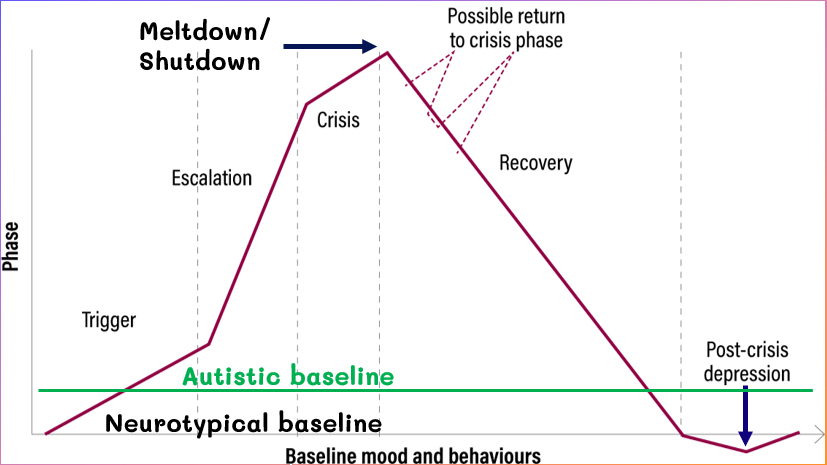
Also known as the Emotional Arousal Cycle, this is a model by Kaplan and Wheeler (1983) that describes the five phases through which a person progresses when triggered into a state of distress. It is useful in understanding how a neurodivergent person reaches the point of Meltdown/Shutdown, starting with the triggering event, escalating to crisis, de-escalating through recovery, and ending up in post-crisis depression, before eventually being able to return to a baseline level of emotional regulation.
The term for a person with the dual neurodivergent experience of being Autistic and ADHD; the intersection of these 2 neurotypes is its own experience. 50-70% of autistic people are also ADHD; upwards of 80% of ADHDers are also autistic.
Difficulties with processing sounds, including spoken words.
A variety of methods/devices that enable a non/semi speaker to communicate through means alternative to mouth words.
Being able to embrace and express one’s genuine, unique neurological traits and ways of being, rather than conforming to neurotypical expectations or engaging in masking to hide these traits.
Natural neurodevelopmental variation characterised by differences in styles of communication, and cognitive, emotional, and sensory processing, as well as a reliance on predictability to feel safe; autism distress traits include meltdowns, self-injurious repetitive behaviour, and aversion to social interactions.
The group of people that includes autistic people, their family members, scientists who research autism, therapists, and anybody for whom autism is a part of their lives are talked about; usually led by non-autistic voices.
A false narrative that suggests a different type of autism in women. Women do not experience a different type of autism; they experience a different type of prejudice because they are female.
A person who shares the traits and internal experience of being autistic; they can be either formally diagnosed or can have self-identified as autistic.
The group of people that is made up of and led by exclusively autistic people.
The shared experiences, values, customs, and ways of being and communicating that have developed through the building of the autism rights movement and evolution of the autistic community in online spaces.
This is integral to autistic well-being, physically and mentally, to their whole selves, but it is invalidated by neuro-normative cultural expectations and pressures.
Inability to generate momentum of body and thought.
This describes the all-encompassing, intense feeling of joy and excitement that many autistic people experience through their whole body, frequently reflected through stimming; often characterised in pathological framing as being inappropriate reactions to ideas deemed small or insignificant stimuli.
Views autistic verbal communication through a neurodiversity lens, seeing it as a natural variation (divergence) in human communication; this theory posits that autistic verbal communication is functional and effective, different to but not less valid than allistic (non-autistic) communication.
A way of checking in with and understanding how things are with another person, characterised by asking the same question over and over in order to ensure safety in (lower anxiety about) communicating further with them; could be described as ‘Attuning, validating, reassuring, connecting, grounding.’ This concept was coined by John Greally (2020).
Anxiety/stress shuts down cognitive function preventing words from forming in the mind or making their way through your mouth.
Having the freedom and ability to make your own choices and control your own life.
The right of people to control what happens to and with their own bodies.
A theory of learning that focuses on observable behaviours and environmental stimuli, serving as the basis of ABA ‘therapy;’ it is a dehumanising approach that measures neurodivergent people against a theoretical ‘normal’ (i.e., neurotypical) standard. It does not allow for the validity of the internal, lived experience of neurodivergent people.
The extent to which we feel personally accepted, respected, included, & supported by others without having had to fight for it; the experience of being at home in ourselves as well as in the places around us.
First conceptualised by George Engel in 1977, this model suggests that understanding a person’s medical condition involved not just biological factors, but also the psychological and social factors. The term is built from:
Bio (physiological pathology); Psycho (thoughts emotions and behaviours such as psychological distress, fear/avoidance beliefs, current coping methods, and attribution); Social (socio-economical, socio-environmental, and cultural factors such as work issues, family circumstances, and benefits/economics).
This combines the underlying principles of BPS with the principles of the Neurodiversity Paradigm to assert that understanding and supporting neurodivergent people requires adjusting the fit between the individual and their environment (because neurotypical environments are further disabling to neurodivergent people) rather than finding treatment for a “disorder.” In short, it moves the blame from being centred in the neurodivergent individual to placing it correctly within the systems around the person.
A productivity strategy designed to help us stay focused on what we’re trying to do; a “body double” (n.) is a person – or even pet – who is present to provide physical support through task completion.
A physical, emotional, and mental state of exhaustion created by constant pressure (implicit and explicit) to mask neurodivergent traits, meet neurotypical expectations, and adapt to neurotypical environments. Symptoms include chronic exhaustion, decreased capacity, more frequent meltdowns/shutdowns, sensory hypersensitivity, difficulty managing basic daily tasks, and profound feeling of isolation and disconnection. It is often misdiagnosed as depression.
Behaviour that causes disruption or is deemed unacceptable. Observing behaviour like this demands that the authority figures in the situation ask: What clue does this behaviour give us? What is the unmet need?
Health conditions, whether acquired or genetic, that can’t be cured and so they must be managed. Most people describe a baseline level of symptoms that they live with each day, as well as periods with more intense symptoms that are called flares.
The stand-alone conditions – either diagnosed or self-identified – that an individual experiences. For example, an individual may have co-occurring autism and dyslexia. Pathological terminology frames these as ‘comorbidities.’
The act of soothing and helping to calm someone during a moment of dysregulation; another way of saying this is to work through and complete the stress cycle with the support of a safe person. Co-regulation is necessary and deemed socially acceptable for infants and toddlers, but neurotypical expectations prioritise independent regulation for primary-aged children, young people, and adults, to the detriment of neurodivergent people – co-regulation is a valid strategy for every neurodivergent person, regardless of age.
How the brain processes, disseminates, and acts upon the information it receives.
A psychological intervention aimed at helping an individual to recognize and understand the impact of their thoughts and feelings on their behaviours (the CBT Triangle). It can be harmful to neurodivergent people when used in ways that do not take neurodevelopmental differences into account, for example when it is misused to correct or reframe someone’s thinking in a way that’s invalidating or gaslights people into doubting their own reality.
Needed to be able to think and reason, including planning tasks and organizing oneself (executive function).
The imposition of neurotypical ways of thinking, knowing, perceiving, and reacting to the world onto neurodivergent people, leading to the marginalization and invalidation of neurodivergent knowledge systems.
An ethical value that states individuals have the right to absolute sovereignty over their own brains and their own cognitive processes without interference; freedom of embodiment (the freedom to indulge, adopt, and/or experiment with any styles or quirks of movement and embodiment, whether they come naturally to one or whether one chooses them) is an essential element of cognitive liberty.
An exchange of information. For autistic people, ‘communication’ is performed in order to achieve a specific outcome; it is purposeful.
Needed for receiving, understanding, and responding to verbal & nonverbal messages being passed between oneself and others.
The authentic way an individual expresses themselves; neurodivergent CI (echolalia, scripting, literalism, silence etc.) is frequently dismissed as ineffective, deficient, or meaningless because it doesn’t match neuro-normative expectations of communication.
Communication style in which no response is expected immediately; this is preferred by many neurodivergent people as it allows for space and time before responses are expected, decreasing pressure by offering extended processing time and indirect interaction.
Monotropic communication, deep focus on topics, direct and literal, and commonly asynchronous.
Polytropic communication; light, changing topics quickly, cluttered.
Communication style where immediate responses are expected; this style – the one inherent in job interviews, etc. – tends to cause significant anxiety for autistic people.
This can describe internal experiences, i.e., the competing needs of being both autistic and ADHD, or it can be about the unique needs between individuals, i.e., differing needs between siblings, which cause challenges to providing appropriate and equitable support.
A collection of traumas that compound over time; often related to childhood trauma.
Adhering to a group or societies expected standards regardless of individual needs and desires.
The way individuals change behaviour, language, and appearance based on the environment or situation into which they are going, i.e., ‘church clothes,’ profession-specific vernacular, etc. Allistic people frequently think this is what autistic people mean when they try to explain masking, but it isn’t the same.
Allowing for a period of time that is low demand and low arousal for a neurodivergent person to recover from earlier experiences of pressure and overwhelm. Periods of decompression are critically important to ensure emotional regulation and to avoid crisis (meltdown/shutdown).
Consists of applying firm tactile sensory input to provide proprioceptive input to the whole body in order to regulate sensory systems, reduce anxiety, soothe body stress responses, and create a feeling of calm.
States that an individual’s difficulties are expressions of fault within them that must be fixed; the function of deficit ideology is to justify existing social conditions by identifying the problem of inequality as located within, rather than as pressing upon, disenfranchised communities so that efforts to redress inequalities focus on “fixing” disenfranchised people rather than the conditions which disenfranchise them (Weiner, 2003; Yosso, 2005).
Denying the attribution of human qualities to a person or a specific group of people.
A neutral term that can be used in place of the deficit-based term Pathological Demand Avoidance.
Purposefully reducing demands and language which sounds demanding to facilitate restoration of power balance and/or sense of control and autonomy to a neurodivergent person.
A common mental health condition that negatively affects the way one thinks, creating a feeling of low mood and often a loss of interest in previously enjoyed activities, having a significant effect on day to day life. When it goes on for long periods of time or returns regularly, it is considered to be Clinical Depression.
This is a common developmental difference affecting fine and/or gross motor coordination in children and adults.
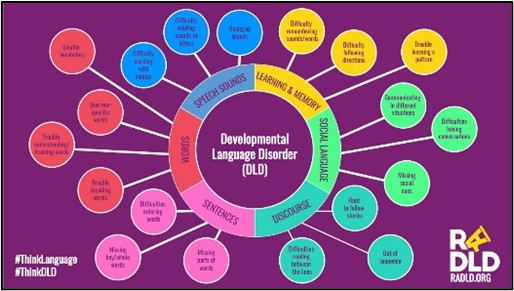
This is the current internationally recognised diagnostic term for people who have difficulties understanding and using language. The criteria for diagnosis relate to difficulties being present through all of life (developmental, not acquired), having a functional impact on daily life, and have no other explanation (i.e., autism, Deaf/Hard-of-hearing, etc.). It replaces previous terminology such as Specific Language Impairment, Language Disorder, and Language Delay.
The dominant way through which diseases, illnesses, and disabilities are labelled, discussed, understood, and ‘explained’ within biomedicine. A diagnosis is both a category and a process (Blaxter, 1978). Diagnoses serve several functions within and for biomedicine, including 1) creating a language for discussing and addressing health and disorder and 2) determining the allocation of resources and supports, shaping of research, and one’s access to health services (Jutel, 2017a, p. 139).
This therapy focuses on four components: mindfulness, interpersonal effectiveness, distress tolerance, and emotional regulation. However, the interpersonal effectiveness aspect can be problematic for neurodivergent people. When used correctly, DBT does not focus on compliance or changing who a person is; it gives people the skills to identify as well as regulate their emotions, find ways to manage their distress, and recognise, fulfil, and advocate for their needs.
Having distinct properties, which are neither superior nor inferior to other properties.
Any way in which changes are made to the content, presentation, environment, or expectations for a young person in a teaching and learning setting.
Any condition that makes it more difficult for a person to do certain activities and interact with the world around them. “Disability” and “disabled” are indicators of culture and identity; “disabled person” is an accepted term.
A disconnect from your bodily state and sometimes the world around you; usually a trauma response.
A term for describing a group that displays a range of differences, whether that is in neurotypes, race, gender, sexuality, etc.
The neurotransmitter responsible for feelings of pleasure, the regulation of attention, and being able to be at ease; groups can be diverse, individuals cannot.
ADHD brains experience this deficiency, meaning their brains are always craving it; much of ADHD-related impulsivity and risky behaviour can be attributed to seeking dopamine releases.
This is a difficulty in understanding and working with numbers. It can present as difficulties with naming, ordering numbers, comparing physical quantities, estimating, and identifying place values. It is more common to have a specific learning difficulty in Maths-related processing than it is to be dyscalculic.
A genetic, brain-based difference that impacts the way a person processes written information both on the way in and the way out. The four areas of processing that are impacted are phonological awareness, verbal memory, processing speed, and visual processing. Dyslexia is technically not a learning disability; it is categorised in pathological terms as a learning disorder. Described in neuro-affirming language, it is a learning difference that requires tailored support directed by the individual’s self-stated goals.
This is the old term for Developmental Coordination Disorder. It is a common developmental difference affecting fine and/or gross motor coordination in children and adults.
The repetition of sound, words, or phrases, i.e. repeating a phrase you’ve just heard, repeating a line from your favourite film, repeatedly pressing a button on a device which elicits a sound. This repetition can be external or internal. Echolalia plays a key role in Gestalt Language Processing; the repeated sound has a meaning to the speaker, even if that meaning isn’t understood by those around them.
A group of genetic disorders affecting connective tissue, leading to symptoms like flexible joints, stretchy or fragile skin, and easy bruising; the most common type is Hypermobile EDS (hEDS). It is a very common co-occurring condition for neurodivergent people.
Also known as ‘school refusal,’ this is the pathologized/deficit model term for when children or young people are unable to attend school due to environmental pressures. The affirming term is School-induced Trauma (SIT).
Needed for understanding one’s own emotions and those of other people, as well as for managing emotions safely.
The ability to understand and share the feelings of another; the pathological framing of autism often describes autistic people as being deficient in empathy because the expression of autistic empathy looks different to the expression of neurotypical empathy.
Refers to a breakdown in mutual understanding between any two people due to different life experience; within the context of breakdowns in understanding between neurotypical and neurodivergent people, it refers to the assumption that this breakdown is always the fault of the neurodivergent individual. It is in this inaccurate assumption that the root was formed for describing autism as “a social communication disorder.”
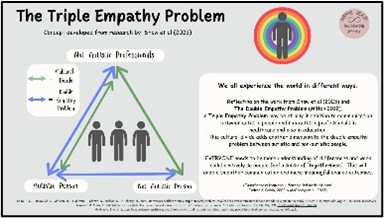
Acknowledges the friction of communicating between semiotic domains, i.e., professionals perceiving parents as having a lack of understanding because they don’t use the accepted terminology of a specific field; this compounds the issues related to the double empathy problem, resulting in epistemic injustice.
Supporting others (individuals or groups) to discover and implement their own freedoms, personal power, and agency.
A neurological condition which is characterised by re-peated seizures. There is a high prevalence of co-occurrence of autism and epilepsy.
Harms that relate specifically to how we are trusted, believed, and valued as knowers, interpreters, and providers of information. This concept was defined by Miranda Fricker (2007), who identified two key forms of epistemic injustice: testimonial injustice (where testimony is unduly dismissed because of prejudiced beliefs regarding minority groups); and hermeneutical injustice (where a community’s shared vocabularies have been structured in a way that unfairly distorts or stifles understanding for, and of, a minority group).
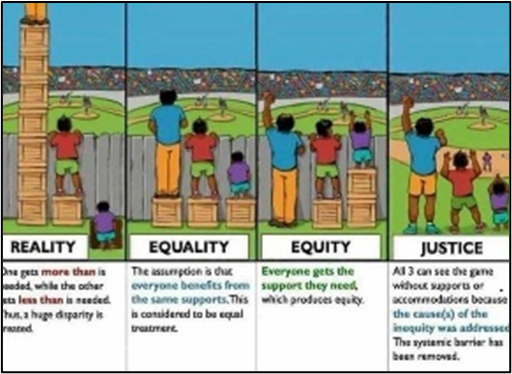
The right of distinct groups of people to have a similar social position and receive the same treatment.
The process of redistributing access and opportunity to be fair and just; the state of being free of bias, discrimination, and identity-predictable outcomes and experiences.
The scientifically inaccurate theory that humans can be improved through selective breeding of populations; it is linked to historical and present-day forms of discrimination, racism, ableism, and colonialism. The implementation of eugenics practices has caused widespread harm, particularly to populations that are being marginalized, including neurodivergent and disabled people.
The process of identifying the best available evidence to make decisions about practices that should be deployed to support individuals in a given population (McKibbon, 1998, see Vivanti, 2022). Practices that meet a predefined set of evidentiary criteria are labelled “evidence-based practices” to promote their adoption by service providers. However, there are no independent standards or bodies to regulate what qualifies as “best” or “high-quality” evidence. This is why, when using recognized standards failed to find any support for widely promoted autism interventions, autism researchers unethically responded by lowering or discarding standards for autistics, to accommodate the extremely poor quality of the autism intervention literature. Also, no EBP framework considers whether intervention researchers should measure or report on adverse events (unintended negative consequences of interventions that can cause short- or long-term harms).
EF is how the brain initiates tasks; it is a set of cognitive processes that help people self-regulate so they can effectively plan, prioritize, and sustain effort toward their goals. EF is operated from the Pre-frontal Cortex of the brain and is literally shut down when the Amygdala (the brain’s environmental threat detector) is triggered, which means people are incapable of being rational or making choices in those moments.
Hands-on, learning by doing, and reflecting on what one has done; strong elements of it include students having meaningful voice and choice in what they do, connecting with the community, and being involved in projects with real-world value. The term was coined by John Dewey in the early 1900s.
A behavioural treatment based on the premise that someone’s fears are irrational rather than valid experience-based concerns; it gradually exposes people to feared objects, situations, or activities to help them confront and overcome anxiety or trauma. When used on neurodivergent people who have a hypersensitivity (i.e., forcing a young person to sit in the canteen to ‘help them get used to it’), it causes trauma.
Direct visual contact with another person’s eyes. Many autistic people find eye contact uncomfortable and intrusive, and not making eye contact can reduce stimuli and support auditory processing. Eye contact is not required for listening or concentrating.
The process of abandoning self for the purpose of attending to the needs of others with the (subconscious) aim of securing safety; a fawn response occurs when a person’s brain unconsciously perceives a threat and compels survival behaviour to keep them safe.
This is the medical diagnostic term for a range of permanent neurological and physical conditions caused by exposure to alcohol during pregnancy, leading to lifelong challenges with learning, memory, behaviour, social skills, and growth. There is no known safe amount of alcohol to drink during pregnancy, and the safest approach is to avoid alcohol entirely to minimize risks.
The movement needed by some people in order for them to do their best thinking; the capacity to regulate our attention and our behaviour is a limited resource, and some of that resource is used up by suppressing the very natural urge to move.
This is the concept around being a polytropic thinker; neurodivergent people are often pathologised for being ‘inflexible,’ with the assumption that flexibility in thought is the one right way of thinking. This concept excludes the existence and validity of monotropic thinking.
A neurodiversity affirming term defining neurodivergent people’s deep states of attention and absorption to the exclusion of all other inputs.
This behaviour is a safety-seeking response to distress caused by food. It is similar to ARFID called sensory avoidance, which is when a person has issues with food tastes, textures, temperature, and smells. What avoids the slip into ARFID is the quantity of food a child consumes. As long as a child has enough “safe foods” to find the nourishment their body needs, they remain food averse and not ARFID. Many children, especially autistic children, struggle with this.
This concept describes the human tendency to form opinions and biases based on how facts are presented rather than on the logical facts themselves. With reframing, we disrupt those biases by presenting the same facts differently in order to come to a new understanding of the same situation.
Normative levels applied to divergent people based on arbitrary measures (such as the ability to speak) that describe external observations of need as it relates to someone’s contribution to or burden on society. Functioning labels are inaccurate, biased, and harmful to all neurodivergent people, acting as gatekeepers to supports and justifications for denial of autonomy.
To limit or control access to something. For example, a formal diagnosis often ‘gatekeeps’ support, meaning self-identified autistics are not allowed access to specific support strategies and environments.
A form of language development that moves from large to small, i.e. from whole, memorized phrases to single words. It’s estimated that between 75-90% of Autistic children develop language through GLP. Another term for it is Natural Language Acquisition (NLA).
Units of meaning of any size.
Fleeting but powerful moments where everything aligns, resulting in experiencing pure happiness, connection, belonging, and contentment; glimmers are the opposite of triggers.
This is a technique used to calm the mind and body – whether that be physically, mentally, emotionally, or all three – to feel safe. Neurodivergent people make use of this technique to feel sure of where their body is in space.
Parenting style that doesn’t implement a hierarchical order of command; this parenting style is especially useful with children who are PDA.
Tendency to talk a lot. Effectively a form of monologuing / info-dumping which is a normal autistic communication.
Heightened sensitivity to the volume of sounds.
Reading and use of language at an atypically early age, and at a higher level than expected of that age.
A range of syndromes that enable movement in joints beyond what would be expected. This can cause pain and stiffness from over flexibility of ligaments.
An experience of having exceptionally vivid and detailed mental imagery that encompasses multiple senses, making the internal landscape feel as real as the physical world. This is the opposite of Aphantasia.
Being more sensitive to aspects of the sensory environment, either internally or externally. This can vary depending on the specific sensory input being received, and the response to the input can fluctuate depending on the rest of the environment.
Being less sensitive to aspects of the sensory environment, either internally or externally. This can vary depending on the specific sensory input being received, and the response to the input can fluctuate depending on the rest of the environment.
One’s individual and unique attributes that make up their personal sense of self and which impact their experience of and within the world.
Frames disability as an inherent part of a person’s experience of the world and acknowledges that truly seeing a person means seeing the totality of their experience; it incorporates disability into identity, characterizing it as a valuable aspect of self rather than as something bad that needs to be isolated and fixed.
Invented language; usually a trait of Gestalt Language Processing.
The act of extending fellowship, membership, association, and connection, and ensuring differing needs aren’t a barrier to participation.
Sharing information in great detail about a beloved topic/joyful occupation as a means of building a connection with something; sharing in this way with someone who listens can be exhilarating and restorative. Pathological/deficit framing of info-dumping characterises it as: poor turn-taking, social deficits, interrupting, lack of reciprocity, ignoring social cues, being repetitive and overly verbose, and demonstrating a lack of awareness of social conventions.
Internal sensations that indicate physiological state of being, i.e. being hungry, feeling nervous
Coined by Carrie Watts in 2024 as an alternative to standard pathological framing of “special interests” or “obsessive interests”, this term creates space for the reality that there are certain topics, hobbies, etc., that bring the purest joy to neurodivergent people and these should be valued rather than questioned.
When language development occurs at a slower rate than expected.
A learning difficulty is a specific challenge in a particular area of learning (ex., reading or math) without affecting overall intelligence or cognitive functioning in other aspects of life. Sometimes also referred to as a Specific Learning Disability (SLD). It includes dyslexia, dyscalculia, DCD (previously called dyspraxia), and challenges related to neurodivergent learning differences.
Known as Intellectual Disability in some cases, LD is an umbrella term for a number of disabilities which impact on someone’s ability to learn and interact with the world very much based on their IQ (it must be less than 70) and the world’s perception of what is the ‘right way’ to learn and exist.
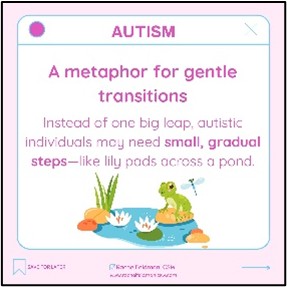
Practical strategy founded in consent, pacing, and attunement to aid transitions between activities/events for neurodivergent people/monotropic thinkers; summarised as offering subtle nudges rather than sudden shocks. This concept was first described by Tanya Adkin and developed with David Gray-Hamond.
This is typically defined as a state of involuntary obsession with another person, based on the pathological framing of the term creator (psychologist Dorothy Tennov) of it being characterised by repetitive, intrusive, and distressing thoughts as well as heightened emotional reactions. It is a cognitive, physical, and emotional experience.
Not a deficit; literalism is the product of monotropic f
These are the ways neurodivergent people naturally express affection and connection toward each other; they include Info-dumping, Support Swapping, Deep Pressure, Parallel Play, and Penguin Pebbling.
Languages that are communicated via hand movements.
The treatment of a person, group, or concept as insignificant or peripheral, which leads to them being excluded from society.
Masking is a psychological safety mechanism made up of layers of physical and social complex actions which an Autistic person uses (consciously and unconsciously) to ‘fit in’ and self-protect in an endless variety of differing situations and environments. It is a projection of an entirely different personality, not context switching. Long-term impacts include disassociation of self, burnout, mental health issues, and suicidality.
‘Dressing up’ as a certain persona, or character, that will be more acceptable than one’s true personality.
Views disability as an impairment or a deficiency that needs to be fixed, cured, or managed through medical interventions. It is a Negative Narrative.
Hypervigilance borne from the cognitive trauma caused to neurodivergent people by being measured against neurotypical expectations that results in constant fear of being subjected to unexpected and unsupported transition and change.

A hormone that humans naturally produce to help regulate the sleep cycle and other body functions. Low melatonin level can result in sleep disturbances and disorders. Elevated levels of stress can impact melatonin production.
An externalised physical overwhelm and trauma response to a combination of too much sensory information and dysregulated emotions (including frustration, anger, sadness, happiness, and excitement). This is not a choice, it is not ‘challenging’ behaviour, and it is not a ‘tantrum.’ It is not done on purpose; it reflects that the individual is in survival mode.
Consciously copying the behaviour of others when unsure of how to act in order to fit in.
Heightened sensitivity to certain sounds that are not usually a problem for others. Usually quiet and/or high frequency, e.g., chewing or electrical hums.
A long speech by one person; a typical form of autistic communication.
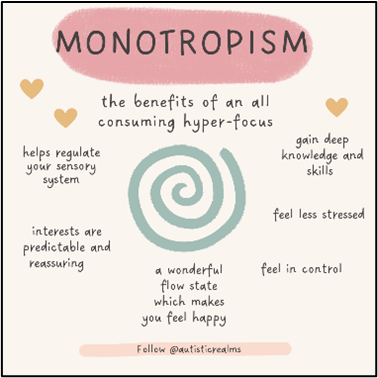
A state of deep, hyper-focused attention characterised by becoming fully engrossed in a particular interest or task, leading to intense concentration, a feeling of calm and control, and a sense of time distortion. Monotropic flow is a restorative and healing experience for autistic individuals, fostering learning and wellbeing.
Refers to the trauma caused to monotropic minds when they are overwhelmed by competing demands that exceed attentional resources; it’s a collapse of a monotropic brain’s natural attention tunnel under the weight of environmental expectation. Repeated/intensive experiences of monotropic split are frequently the precursor to shutdown, burnout, and emotional overwhelm.
is a way of processing the world through a deep, intense, fully absorbing attentional lens that, by necessity due to the extent of involvement, is narrow in focus; it shapes how we learn, how we communicate, and who we are as people. Being pulled out of it through interruption isn’t just inconvenience, it is painful, forced transitioning.
Necessary for specific co-ordination and control skills used in managing everyday tasks, i.e., gross and/or fine motor skills.
A research-based framework that details and quantifies the process of gestalt language development from Stage 1 (use of language gestalts) to Stage 6 (culminating in a complete grammar system); NLA is not a ‘practice,’ but a description of the natural, developmental process of gestalt language development, and provides a road-map for supporting children in natural, conversational, developmentally-appropriate ways.
The narrative based around the medical model and deficits, which portray neurodivergent people as ‘less’ due to their neurology and pushes them towards neurotypical standards in order to find acceptance.
A development of the brain’s systems and networks, which influences an individual’s information processing; this includes how they learn, read, socialise, remember, and pay attention.
The natural variations in how people’s brains develop and function, leading to diverse ways of thinking, learning, and behaving; importantly, every variation is equally valid to the others – no one way is superior to another.
When a person’s brain develops and functions in a way that results in them thinking, processing information, and behaving differently to societal expectations. This may be differences in social preferences, ways of learning, ways of communicating and/or ways of perceiving the environment.
The concept that all humans have a unique neurological make-up and that this forms an infinite spectrum of human cognition; it is a term for a group of people with mixed neurotypes, which includes neurotypical people.
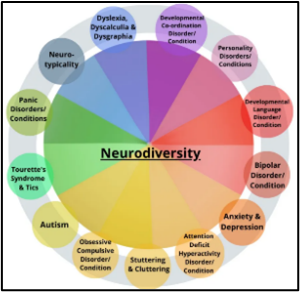
A social justice movement that pushed for moving away from the medical model of pathologizing mental, developmental, and cognitive disability and towards full acceptance of natural variations in neurology; this movement started in the 1990s when autistic people began finding each other online and realised they shared frustration at being characterised as tragic, broken versions of ‘normal’.
The Neurodivergent Paradigm is philosophical basis underpinning the Neurodivergent Movement; it was developed by Nick Walker (2021) working with other Autistic and Neurodivergent academics and activists to give an underpinning to the more activist, rights-based Neurodivergent movement.
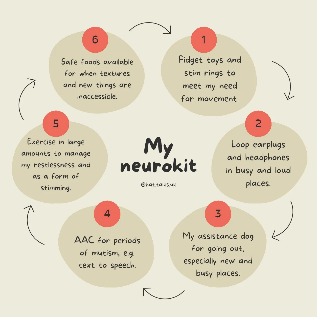
Specific items that support a neurodivergent person in their daily life.

As defined by Kieran Rose (The Autistic Advocate): The systemic imposition of neurotypical norms, values, and ways of being, positioning them as superior, universal, and inherently human. It is an interpersonal assumption of experience, norms, values, and ways of being as inherently neurotypical; a form of cognitive colonisation that frames neurotypical experiences as the benchmark against which all other neurological experiences are judged, measured, and controlled.
The science that looks at the nervous system (including the brain) and how it works and interacts with the world.
A set of standards that focuses on the needs of individuals who could be considered neurotypical.
The societal expectation and belief that neurotypical ways of processing and experiencing the world are superior to other ways of being.
A neurotype refers to the type of neurocognitive make-up of a person; neurotypes are a way of explaining neuro-cognition and embraces the idea of a spectrum of minds. Neurotypes are not always static, and people may move between neurotypes. Neurotypical and Neurodivergent are neurotypes.
Also known as Predominant Neurotype (PNT) or Neuronormative (NN); when a person thinks, processes information, and behaves in ways that are typical or expected within their culture.
Individuals who do not communicate using mouth words (normative oral verbalism).
As defined by Robert Chapman in his book, ‘normality’ is the set of scientific, institutional, cultural, and legal impositions that define what is considered pathological and what is deemed normal, based on its alignment with the presumption that a person’s purpose is to be productive.
The attribution of human characteristics to non-human agents, resulting in intense emotional connections with non-human items. In pathological framing, this is seen as a deficit of appropriate empathy.
A mental health condition in which recurring thoughts and repetitive behaviours are uncontrollable and impact daily life.
Consistent displays of uncooperative behaviour and hostility towards authority figure. This is an older term for PDA.
An energy management technique that balances rest and activities in daily life to manage symptoms such as fatigue and chronic pain. The aim is to avoid post-exertion malaise (PEM) and a ‘boom and bust’ cycle of overdoing on one day and then being unable to do anything on the next. It means planning tasks, ensuring there are rest and/or recharge activities in between draining ones, being realistic about needs, and allowing oneself to rest when necessary. These are captured within the 4 Ps Principle: Plan, Prioritise, Pace, Permission.
When people do separate activities with each other, not trying to influence each others’ behaviour; sometimes described as being alone together in the most positive, restorative way.
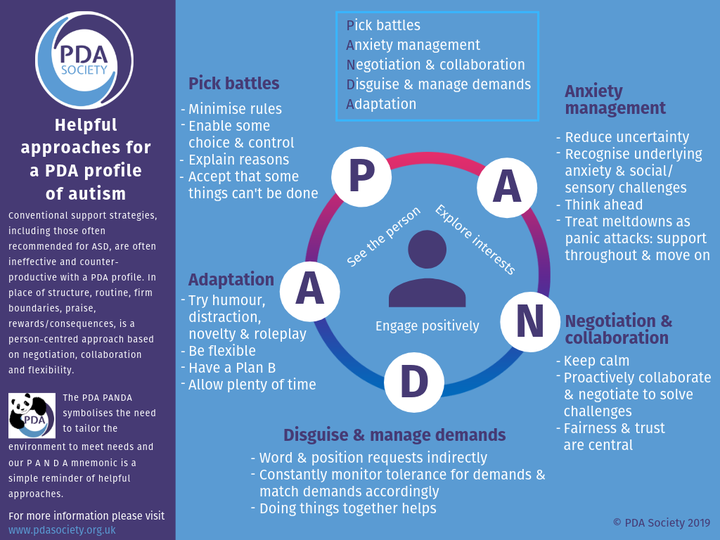
Sometimes conceptualised as an autism subtype, the core identifying trait of PDA is high anxiety driven by threats (simply perceived or overtly expressed) to an individual’s autonomy, which threatened their sense of safety. What is characterised as ‘avoidant behaviour’ are, in reality, actions taken (subconsciously) to retain autonomy and restore their sense of safety. The PDA community rejects the pathological framing; they prefer more affirming terms that remove judgemental overtones, such as Pervasive Drive for Autonomy (PDA) or Rational Demand Avoidance (RDA). A less affirming term, but not as negative as Pathological Demand Avoidance, is Demand Avoidance Phenomena (DAP).
To treat a neurodevelopmental difference as being problematically abnormal and/or to characterise that difference as a disease or something that needs to be fixed.
Colloquially used to mean any system of communication that uses pictures. However, that is an inaccurate and inappropriate use of the name ‘PECS,’ which is a specific communication tool designed in support of ABA principles, i.e., to force non-speaking autistic children to comply with the demand to ‘communicate’ by exchanging pictures to get what they want and/or need. The pictures available are only those which the authority figures around the non-speaker determine to be necessary/valid.
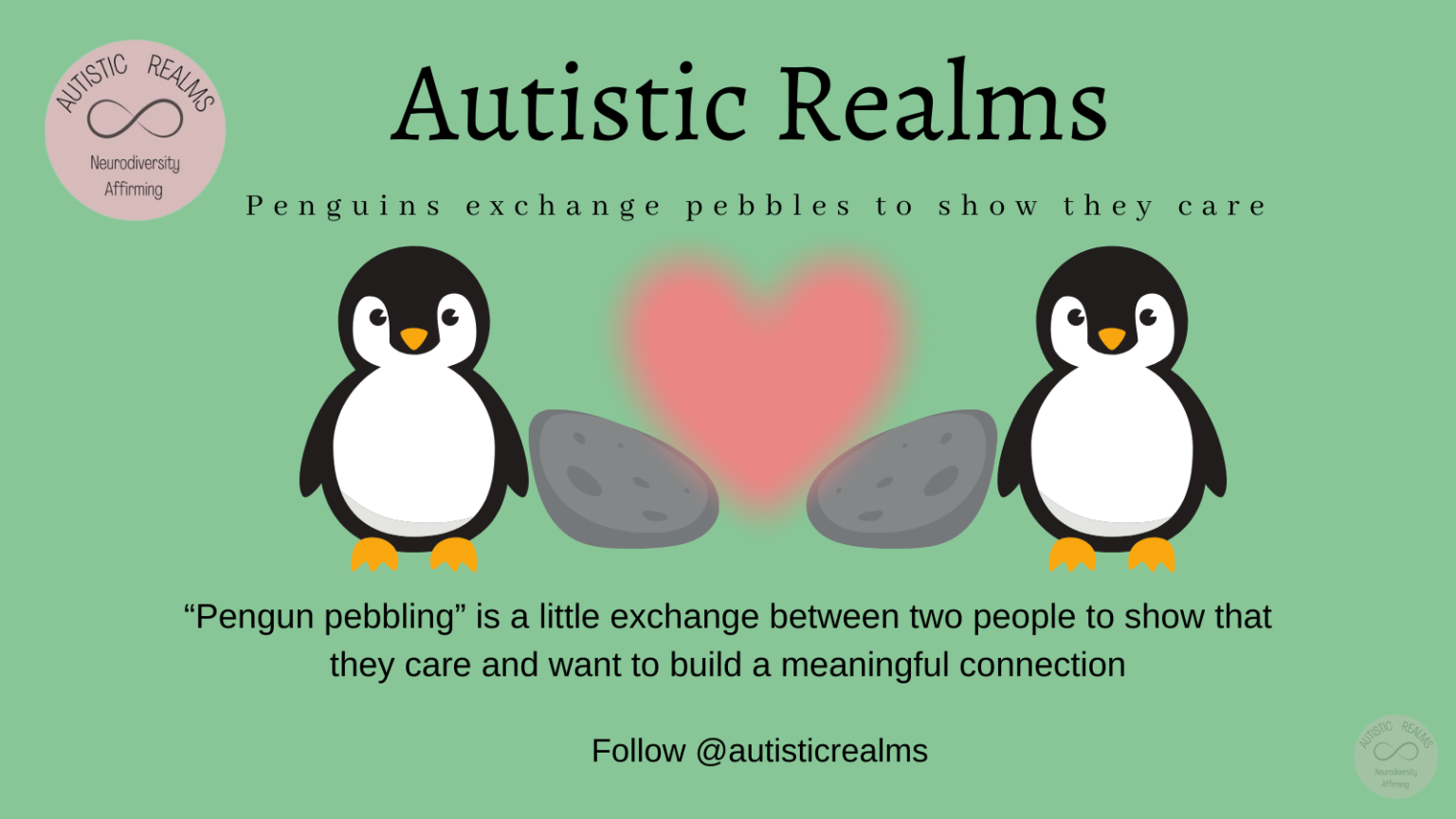
Metaphor for sharing things perceived to be of value to another in order to show affection and strengthen connection; this is based on the way penguins gift pebbles to each other to show affection. Pebbling is a small, tangible act of care that is offered to another solely because it’s a nice thing to do.
How a brain gains and organises information about the world around it; this is affected by a person’s senses, cognition, and observations. Humans use this information to create a meaningful and coherent view of the world.
Frames disability as something to be separated from an individual, emphasising that they are a person first and foremost; this approach is intended to promote respect and dignity for individuals by avoiding language that might define them solely by their disability or condition but tends to result in further stigmatising disability.
Eye discomfort caused by light.
The concept that Neurotypical brains transition more easily between states of attention but are less able than Autistic brains to focus on a single task deeply and to the exclusion of other thoughts.
A framework that was developed to reduce ‘challenging behaviour’ through reinforcement of neuronormative behaviour.
This is mental health condition that can develop after a person experiences or witnesses a traumatic event. A ‘traumatic event’ is any event that a person finds to be trauma-inducing. Symptoms of PTSD include flashbacks, nightmares, feeling very anxious, and difficulty sleeping.
Sensory input from the muscles and joints.
Face blindness, or finding it difficult to tell apart different faces, even with people who are very familiar. People who experience this use clues (i.e., hair style, glasses, facial hair) to tell people apart, so it can be distressing if any of those clues are changed without warning.
Seeing or hearing things that are not there and/or believing things that are not true.
A term used to describe an observable ‘decline’ in abilities/behaviour; when applied to autistics, it is frequently attributable to the effects of autistic burnout, not regression in ability.
An extreme emotional response to real or perceived criticism or rejection, which manifests as intense emotional pain from even small social slights, leading to low self-esteem, social withdrawal, and avoidance of situations to prevent emotional pain. Symptoms can include hypervigilance, paranoia, perfectionism, intense shame, people-pleasing behaviours, and hypercritical rumination.
Thinking about negative situations, thoughts, feelings, or moments of ‘failure’ over and over without being able to control it and without reaching a functional resolution. It plays a part in developing Rejection Sensitive Dysphoria.
These are predictable, comforting foods that do not trigger sensory sensitivities and ease anxiety. Keeping “safe foods” on hand ensures that young people still get the calories and nutrients they need.
The person to whom a neurodivergent person can turn for predictability, understanding, and unconditional acceptance. This is the person who usually sees and has to find a way to safely navigate the challenging and/or dangerous behaviour that stems from masking around others.
A place where a neurodivergent person can fully and freely be themselves without fear of reprisals or being found deficient when measured against neurotypical standards.
Refers to the autistic tendency to eat the same food very frequently or even exclusively for days, weeks, even months at a time; it often needs to be prepared in an extremely specific way, eaten in a ritualistic manner, or may only be a specific brand. Anything outside of these criteria is Not Right and does not satisfy the samefood need.
A temporary, targeted support that helps young people learn new skills, with the goal of gradually removing the support as they become more confident in the skill.
This term is the pathological/medical model framing of a neurodivergent person’s inability to attend school (school-induced trauma); it centres the blame within the child and implies that a child is making a conscious choice, out of ‘bad behaviour,’ to be obstinate about attending school. Framing it this way invalidates the internal experience of the child/young person and places all responsibility for ‘fixing’ the situation onto that child and their family.
The pathologized/deficit model terminology for this is ‘school refusal’ or Emotion Based School Avoidance (EBSA). SIT is the affirming term for explaining the neurodivergent experience of distress caused by the school environment; the term SIT honours the neurodivergent reality that these young people are unable to attend school due to distress caused by the environment, not a dysfunction centred in the child.
Planning out in advance what to say and rehearsing that scripted interaction over and over in order to minimise perceptions of awkwardness or social-misalignment in the moment.
A broad term for activities undertaken for the sole purpose of looking after personal physical, emotional, and mental health.
Showing oneself compassion, understanding, and love, particularly when experiencing personal difficulties or self-criticism.
An outward expression of emotional distress in which the individual harms themselves as a way of managing those emotions; it is often a way of feeling in control of at least one thing when everything else is uncontrollable and unpredictable.
A person who sometimes, but not always, uses mouth words to communicate.
The ways through which our bodies experience the world, internally and externally, and interacts with our environment
Necessary for receiving, processing, and responding to sensory information from all senses (sight, sound, taste, smell, touch, balance, inside sensations, sense of body in space).
Any stimulus which is derived from our environment. For example, light levels, sound levels, visual input.
When the sensory experiences of an individual are disbelieved or disregarded by others.
The experience of sensory bombardment and overwhelm due to the inability to escape a chronic stressor, including the invalidation of this experience by others.
A metaphor used to describe the way a child suppresses their distress and anxiety, increasing their internal pressure, while in an unsafe environment (such as school) and then releases it all once they’ve moved into a safe environment (such as home). This looks like meltdowns, swearing, throwing, hitting, self-harming, crying, and so on.

An internalised physical overwhelm and trauma response to a combination of too much sensory information and dysregulated emotions (including frustration, anger, sadness, happiness, and excitement). This is not a choice, it is not ‘challenging’ behaviour, and it is not a ‘tantrum.’ It is not done on purpose; it reflects that the individual is in survival mode.
A form of anxiety/distress in which individuals become unable to use verbal communication; this usually occurs within specific environments or contexts. Not speaking is not a conscious choice being made, it is a physical/emotional response preventing the use of mouth words.
Situational mutism is not the same as verbal shutdown or Apraxia.
Any conditions that affect quality, timing, or duration of sleep. Child sleep problems will also impact parent/carer sleep.
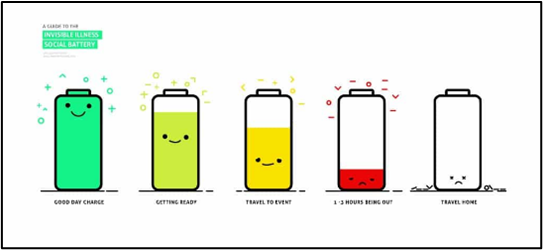
Akin to Spoon Theory, this metaphor describes a person’s finite reserve of energy that can be spent on social interactions. Different interactions drain the battery at different rates; when it is down to 0%, the person has no choice but to withdraw and recharge. We can protect the energy levels through Pacing.
Necessary for receiving, understanding, and applying rules of social interaction in various settings and with different groups of people.
Created by Carol Gray in 1991, social stories are short descriptions of a particular situation, event or activity, which include specific information about what to expect in that situation and why. They are often presented as a comic strip/cartoon. The correct use of social stories is to inform and prepare someone for a new event or experience NOT to force compliance of ‘rules.’
Raises awareness of the societal barriers (environments, structures, attitudes) that further disable and restrict the lives of disabled people.
Ways of being and behaving that are deemed to be acceptable within a specific culture, environment, or social group.
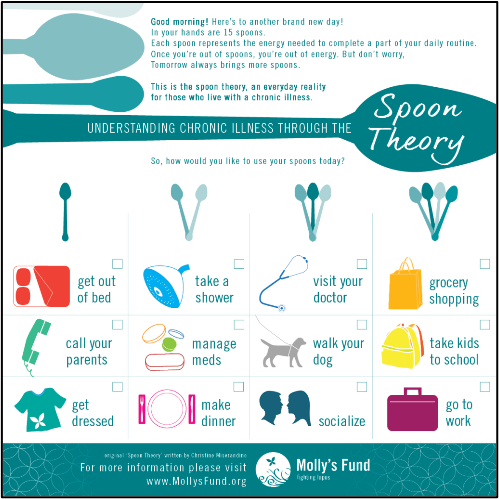
Popular metaphor within the disability community that describes the economy of living with a variety of physical conditions (ex. chronic fatigue, chronic pain, mental health) and how it requires a person to choose carefully on what they spend their spoons. Choosing where to spend spoons is captured within the concept of Pacing.
A set of negative and often unfair beliefs that a society or group of people have about something or someone.
Self-stimulatory behaviour, also known as stimming and self-stimulation, is the repetition of physical movements, sounds, or words, or the repetitive movement of objects to achieve emotional and sensory regulation. It is a necessary tool for neurodivergent people, used as an adaptive mechanism that helps them to soothe or communicate intense emotions or thoughts. Attempting to eliminate stimming is harmful.
Frequently the aim of ABA and other behaviour modification ‘therapies,’ stim redirection is attempting to alter the presentation of a stim to meet neuronormative expectations. This can sometimes be necessary for dangerous or harmful stims; when that is the case, there are neuro-affirming ways to manage it.
Repetitively listening to a single song, playlist, audio file, etc.
Repetitively watching the same media (usually digital).
Personal character traits considered to be positive and/or useful.
Stress that results from the accumulation of various stress factors including: heavy workload, poor communications, multiple frustrations, coping with situation of disempowerment, and the inability to rest or relax. This type of stress is compounded by the disabling aspects of daily life, including having to manage inaccessible systems, constant requirement to mask, and unpredictability in social and sensory environments. The result of this relentless stress over time is trauma that can lead to exhaustion, shutdowns, or health crises.
A broad term used to describe a wide range of contemplations and preoccupations with death and suicide.
When neurodivergent people work together to fill the gaps in each other’s spiky profiles and support each others’ needs, i.e. one friend reminding the other to take their medicine while the other reminds them to drink their water. This is sometimes called ‘sharing spoons.’
This means working with the autistic person to understand their specific need and then implementing a strategy that works to meet that specific need.
Actively preventing something from being seen or expressed; a key tenet of ABA and other behaviour modification ‘therapies.’
When sensory stimuli are processed in a mixed way, i.e., hearing colours or seeing certain smells.
Issues and concepts that are pervasive and deeply embedded throughout the systems and functions (education, health care, social care, justice, policies and practices, established beliefs and norms, unspoken expectations, standards for building design, etc.) that make up the fullness of living within a specific culture.
Choosing to behave in a difficult or disruptive fashion to achieve a specific end; unlike meltdowns and shutdowns, tantrums are CHOICES.
Tendril Theory is a description of Monotropic thinking created by EisforErin (EisforErin.com) to explain why it is difficult for neurodivergent people to be interrupted and to switch tasks suddenly.
https://eisforerin.com/2015/08/10/tendril-theory/
A long-debunked theory of autism that suggests that autistic people cannot see things from other people’s perspectives. Made popular by Simon Baron-Cohen (SBC) in the 1990. Despite being disproven regularly and consistently, this theory has permeated the understanding of autism held by society at large and has fed into the unfair and inaccurate perception of autistic people as being selfish and uncaring. SBC has used this theory to make statements such as the majority of autistic women are incapable of being good mothers.
An ephemeral feeling that is inferred by others from the pitch, quality, intonation, and choice of words used by an individual. Only certain tones are deemed acceptable.
Applying a personal bias to what someone else says and assuming what they meant.
A neurological condition that is characterised by involuntary movements and/or sounds; the involuntary movements/sounds are known as tics.
An experience that is disturbing, distressing, and/or harmful and that causes lasting emotional and psychological effects. Every person will have a different threshold for what is a traumatic event; any event that a person processes as being traumatic is a trauma.
As defined by Kieran Rose (The Autistic Advocate): Accumulating effects of cascading unremitting rapidly unfolding successive non-traumatic stressors, ordeals, or predicaments in space and time can produce effects remarkably similar to other types of trauma and PTSD-like symptoms. ‘Factitious’ is critically important in this definition, as it highlights that the trauma is real.
This incudes vicarious trauma (accumulation of exposure to hearing of traumatic events through first-hand accounts or narratives of the event); secondary trauma (sudden transmission via traumatic events being shared from one person to another or to a group of others); and compassion fatigue (trauma-like condition that results in emotional/physical fatigue from the support they give to others without having sufficient recovery time).
Outdated framework by Wing and Gould that characterises autistic traits as belonging to ‘three areas of impairment.’ The three areas are: social interaction, language, and stereotyped behaviour. This ‘triad’ completely ignores the significance of sensory experiences and for that reason alone is useless as a means of understanding the autistic experience.
Stimuli or situations that cause an intense negative reaction, often a state of overwhelm or distress, in neurodivergent individuals. These are highly individual but commonly include sensory overload, group socialising, pressure placed on organising and executing tasks, etc.
A mental shutdown caused by distress or anxiety that results in the inability to form thoughts and convey those thoughts through any form of communication. It is not the same as Apraxia or Situational Mutism. Very regular occurrences of this would be classified under Partial Speaking.
The sensory system responsible for balance and orientation within space. It helps us move through and regulate our arousal within our environment. Vestibular-related observable traits include bumping into things, stumbling, having poor balance, feeling dizzy, etc.