Why can school feel so hard?
Understanding internal experiences
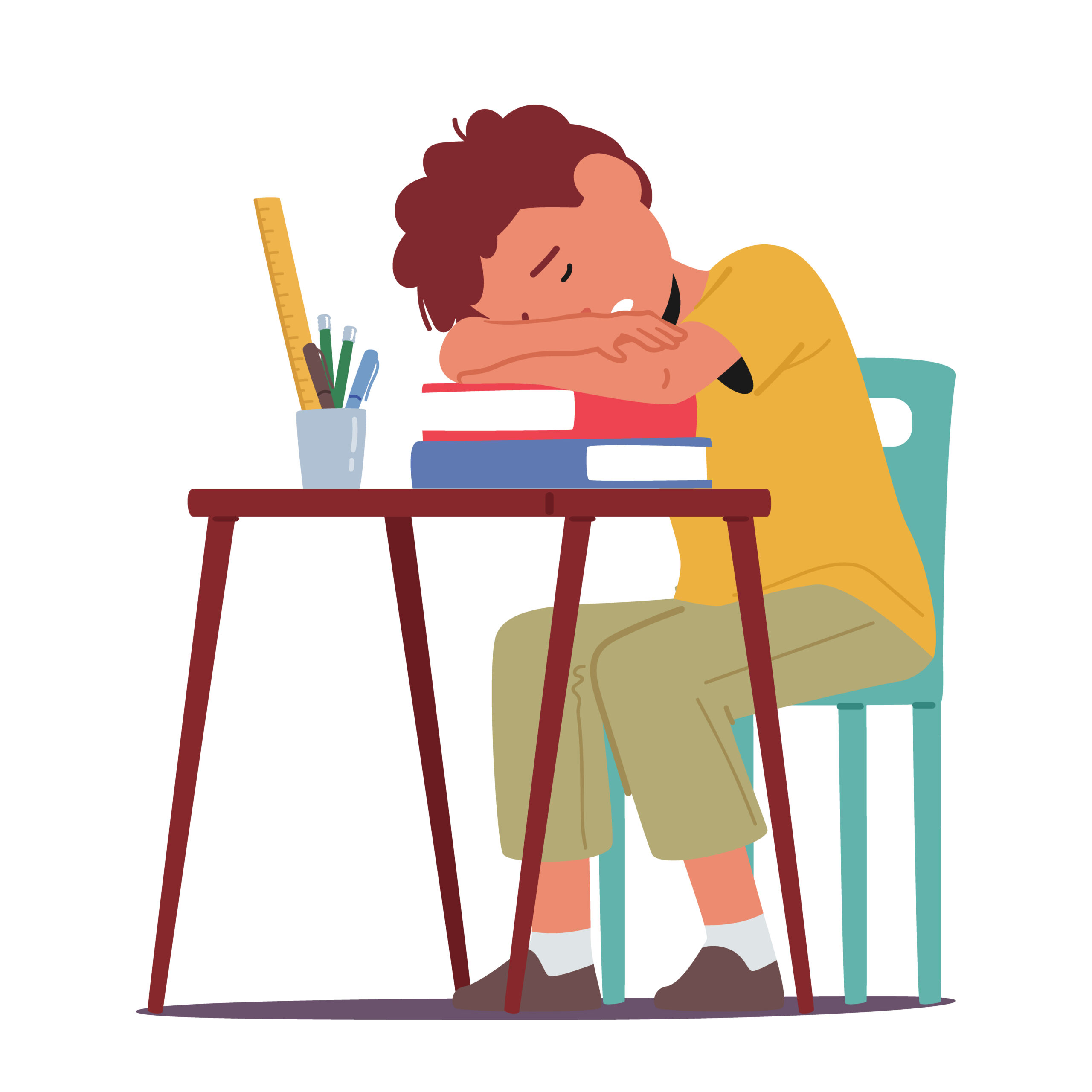

For neurodivergent children, the mainstream school environment can be difficult to manage. A recent study evidenced that the single greatest factor in determining school participation for school-aged autistic young people is the physical school environment.
When we consider the six areas of neurodevelopment in combination with the pressures of the physical mainstream school environment, it makes a lot of sense that it could be difficult for a neurodivergent child to be there.
Here are some examples of what a neurodivergent child may experience in a mainstream school setting.
Just one of these things, let alone all of them in combination, could make it difficult to cope with attending and engaging in school day.
By understanding the internal experience of a neurodivergent child, the adults around them have the best chance to implement accommodations and support strategies that will directly improve the young person’s overall wellbeing.
Some example accommodations and strategies include:
Bright lights, a noisy environment, limited private space, school uniforms irritating skin, toileting rules, having to eat at set times, being expected to sit still and concentrate
Trying to understand expressions (visual and verbal) that don’t make sense, feeling like others don’t understand what you’re trying to say, struggling to follow multiple directions.
Trying to make friends but feeling as though you don’t fit in, being confused by unspoken rules and expectations
Being frustrated and confused when you feel misunderstood, feeling hurt when peers don’t invite you to play during break or work together in classroom activities.
Holding a pencil steady can hurt, struggling with coordination can cause more injuries, eating with utensils can be more challenging, struggling to learn skills like tying shoelaces.
Being exhausted mentally from trying to hold still and remember all the rules that don’t always make sense, struggling to concentrate when the same skill is repeated, feeling that everyone else gets started easily and finishes quickly but not being able to do the same
Just one of these things, let alone all of them in combination, could make it difficult to attend school every day.
By understanding the internal experience of a neurodivergent child, the adults around them have the best chance to implement accommodations and support strategies that will directly improve the young person’s overall wellbeing.
Some example accommodations and strategies for the above scenario include: