Where do I start?
Basics to build on

Let’s start with these two things:
=
how the brain grows and works
=
how it feels to experience the world
These two things together determine how someone acts
=
If we made it looks like a maths problem, it would look like:
how the brain works + how it feels inside = how someone acts
+
=
When we understand the reasons behind someone’s behaviour, we can do a better job of helping them get what they need to feel safe and relaxed.
This is true for all people.
The world is most familiar with how neurotypical brains work and feel, so most things are already set up to understand and help neurotypical people. But the world is less familiar with how neurodivergent brains work, so it can be more difficult for neurodivergent people to feel safe and relaxed without making changes to the ‘typical’ set-up.
To get kids – and even adults! – the understanding they need, let’s start with learning about how the brain works.
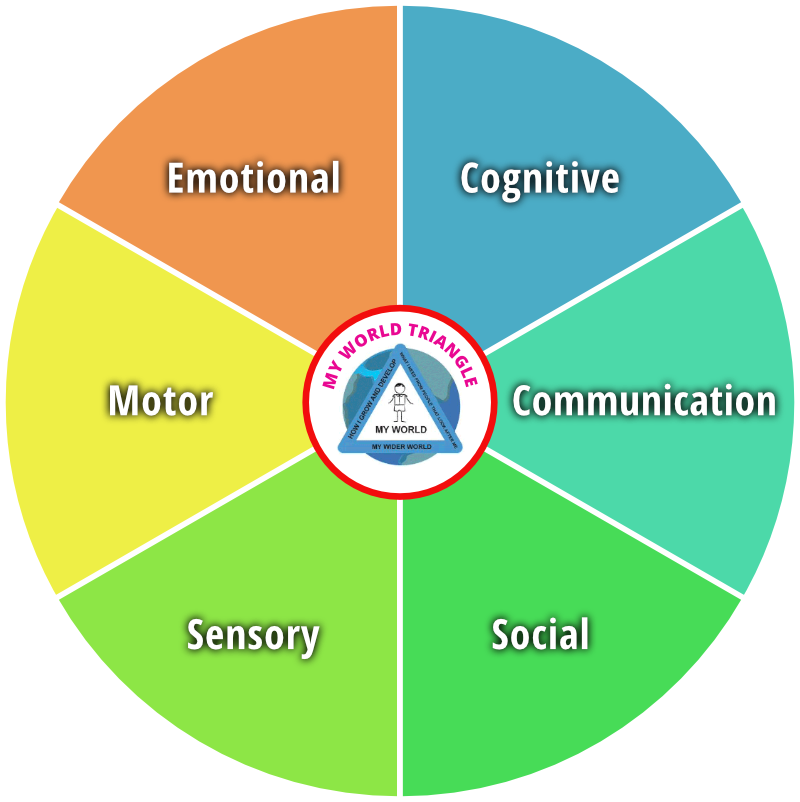
The different jobs of the brain and how they work together to make up a neurotype and personality.
The part that lets us speak (with and without words) with others
The part that lets us think, plan, and organize; one skill within this area is Executive Function
The part that takes in information from all the senses (sight, sound, taste, smell, touch, balance, inside sensations, sense of body in space)
The part that lets us know our own feelings, how other people feel, and how to help ourselves feel better
The part that tells us how to act with family, friends, and in different places (like at school)
The part we need for moving (ex. picking things up, writing, jumping, etc.)
Each person will find some areas to be easier (strengths) and some to be more difficult (challenges). To figure out how to support someone, we need to know how each area feels for them.
There are lots of ways to work out what people need. One tool we have here in Highland is called the Neurodevelopmental Profile Wheel Tool. It should be used together by the people trying to help, including parents/carers, the young person, and the professionals who work with them.
When everyone works together, it’s easier to understand a young person’s whole experience.
There is lots more information available on each of the areas and the Profile Wheel Tool in these videos. It might help to ask an adult to watch the recordings with you, so you can ask questions as you go.